With smart engineering designs inspired by natural cycles, you can build the clean energy infrastructure of the future today.
The environmental damage caused by fossil fuels and the global climate crisis make it imperative to fundamentally change our energy production mechanisms and deploy innovative, sustainable alternatives. The Renewable Energy Systems category aims to bring together visionary engineering projects that convert natural resources into electricity or usable energy forms with maximum efficiency without harming the ecosystem. Participants are expected not merely to repeat standard production methods, but to present proactive, technology-driven solutions that eliminate inefficiencies in energy production, storage and distribution processes.
You can develop your project within one or more of the following focus areas.
Efficiency improvements in photovoltaic cell technologies, perovskite or flexible solar panel integrations, AI-powered solar tracking systems and solar energy applications integrated with agricultural areas (Agrivoltaics) are evaluated under this topic.
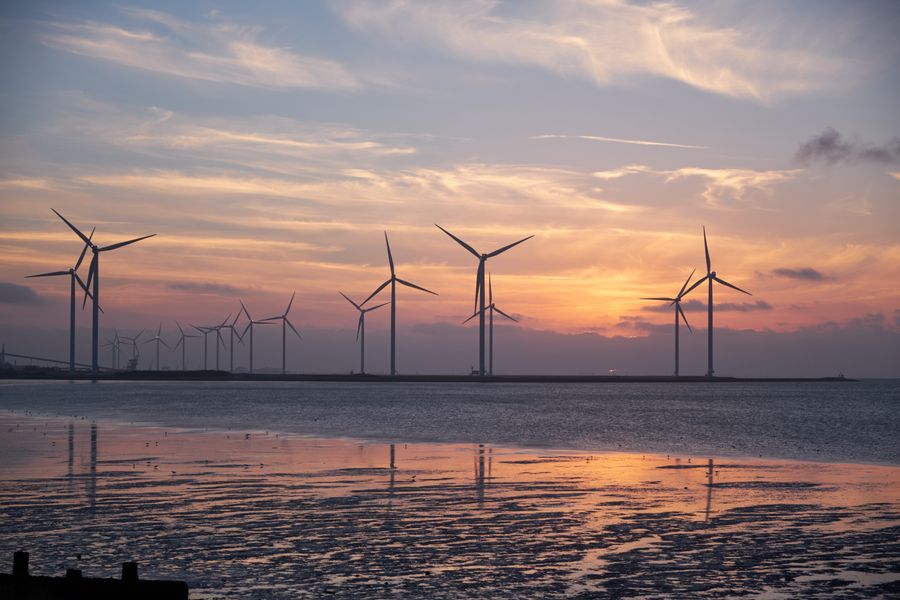
Innovative vertical or horizontal axis turbine designs that can operate even at low wind speeds, silent micro wind turbines suitable for urban areas, bladeless (vortex-based) energy production mechanisms, and AI software that optimizes wind farm efficiency.
Micro-hydroelectric power plants that reduce dependence on large dam ecosystems, run-of-river systems, next-generation corrosion-resistant, high-efficiency turbines that generate energy using ocean wave energy and tidal mechanisms.
Zero-emission deep geothermal energy cycles, high-calorie biofuel or biogas production from biomass and agricultural/industrial waste, piezoelectric-based energy harvesting systems, and innovative electrolyzer designs for green hydrogen production.
Projects must fully comply with thermodynamic and electrical engineering principles. Mathematical models, fluid mechanics or electrical simulation outputs must be included in the report.
How the produced energy will be integrated into the grid, and how fluctuating production curves will be balanced with smart grids or battery/storage units must be explained.
The carbon footprint in the production and recycling processes of materials used (e.g., batteries or panels) must be minimized.
Project reports, technical drawings and simulation outputs are reviewed by the jury panel. Projects with insufficient technical foundation or inadequate innovation level are eliminated. Successful projects receive an invitation to the EurAsia Championship. Teams that succeed at EurAsia participate in the World Championship held in Spain.
Finalist teams present their physical prototypes, working small-scale models or 3D-verified simulation designs to expert academic and industry jurors in a live defense.
Develop your original project in renewable energy and take your place on the Atlantia STEM Olympiad stage.