Inspired by nature's engineering, design systems that can make you the architect of a cleaner and more sustainable world.
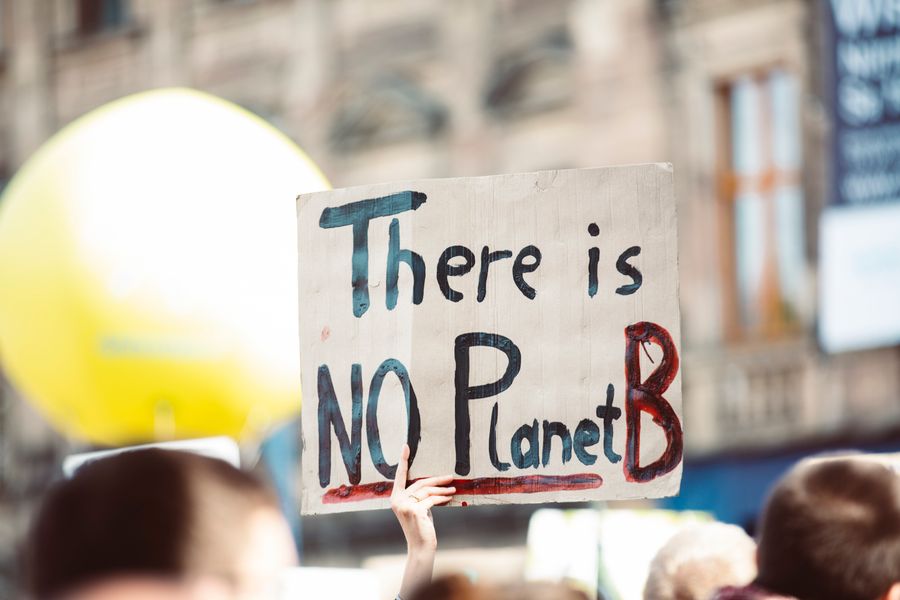
The ecological crises our planet faces demand more urgent, technology-driven and innovative interventions than ever before. This category aims to showcase visionary projects that meet modern society's needs within a sustainable framework while preserving nature's delicate balance. Our expectation from competitors is not merely to repair existing environmental damage, but to develop proactive, scientifically-grounded systems that solve problems at their source and can be integrated into real life.
Innovative and applicable projects are expected in the following three core areas.
Going far beyond simply collecting and sorting waste, this area should be approached as a process based on the "zero waste" philosophy and the circular economy. Participants may work on systems that convert organic, industrial or electronic waste (e-waste) into valuable raw materials through biochemical processes, next-generation biomaterials to replace non-biodegradable plastics, or AI-powered robotic solutions that make waste sorting autonomous.
Innovative mechanisms that can directly address the global clean water crisis are of great importance. Among the strongest topics in this area are nanotechnological systems that detect and filter microplastics from oceans and drinking water, low-cost biological filtration designs that purify industrial wastewater with minimal energy consumption, or convert seawater for agricultural use.
Projects aimed at improving air quality should focus on technologies that will make cities breathable again. Innovative modules for direct air carbon capture and storage (CCS), smart filters that convert toxic gases from industrial chimneys into useful byproducts, or IoT-based sensor networks that map urban air pollution in real time and enable intervention can be developed.
Projects must meet the following basic conditions to be considered for evaluation.
All submitted projects must be based on scientific foundations and be original. Projects that are direct copies of existing solutions will be eliminated.
Projects must be simulated or prototyped to a level that can move beyond the laboratory environment and be integrated into industry, urban structures or agricultural areas.
The use of modern engineering tools such as artificial intelligence, nanotechnology, IoT, biomimicry or advanced automation in projects is encouraged.
It is a fundamental requirement that the proposed system's own production and operating costs are also environmentally friendly and energy efficient.
Projects will be evaluated out of a total of 100 points based on the following criteria.
| Criterion | Weight | Distribution |
|---|---|---|
| Innovation and Originality | 25 pts | |
| Scientific and Technical Foundation | 25 pts | |
| Applicability and Scalability | 20 pts | |
| Sustainability and Environmental Impact | 20 pts | |
| Presentation and Defense Quality | 10 pts | |
| Total | 100 pts |
Detailed project reports containing teams' projects, scientific foundations and technical drawings/simulations are reviewed by the jury. Projects that pass the threshold score are invited to the EurAsia Championship. Teams that succeed at the EurAsia Championship are invited to the World Championship in Spain.
Finalist teams present their projects, working prototypes or high-resolution digital simulations to the jury. After the presentation, they are required to answer the jury's technical and applicability-focused questions.