From radar systems to cybersecurity, electronic warfare to missile defense — simulate next-generation defense technologies in a digital environment and present before an international jury.
The Defense Technology Simulations category challenges students to model, simulate and analyze critical technologies used in security and defense within a computer environment.
Teams choose a domain such as radar detection, electronic warfare, cybersecurity, missile defense or tactical communications and develop a computer-based simulation environment. Projects must be based on real-world scenarios and produce measurable results.
Evaluation considers the technical depth of the simulation, innovative approach, quality of data analysis and the impact of the presentation as a whole. The goal is to guide young people interested in defense engineering toward a path of research and innovation.
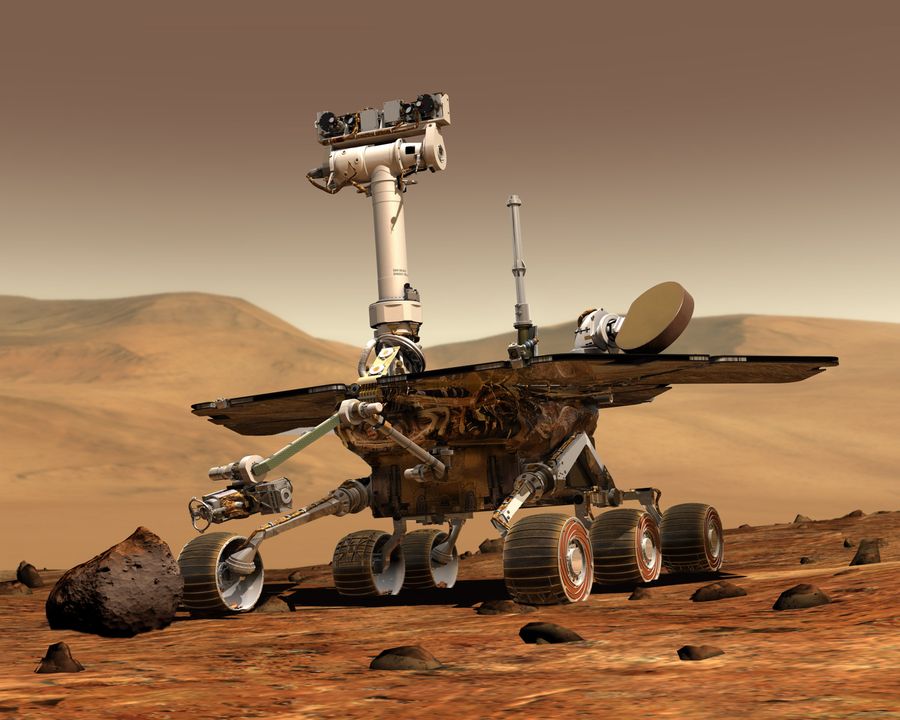
Teams can develop their projects by selecting one of the areas below. Each area covers different engineering disciplines.
Simulation scenarios on air defense radars, early warning systems and aerial threat detection. Target tracking, threat classification and response algorithms.
Projects on merging data from different sensor types, increasing target detection probability and reducing false alarm rates.
Projects on network security, intrusion detection systems (IDS), firewall simulation and critical infrastructure protection scenarios.
Interception scenarios against ballistic and cruise missiles, trajectory calculations, engagement window analysis and multi-layered defense models.
Secure communication protocols, frequency management, signal jamming/anti-jamming and field communication network design simulations.
Signal analysis, frequency jamming and countermeasure simulations in electronic attack, electronic protection and electronic support areas.
MATLAB, Python, NetLogo, AnyLogic or any similar simulation environment may be used. Open source is preferred but not mandatory.
Projects must be entirely original; plagiarism results in disqualification. No real weapon designs or harmful applications are permitted.
Scenarios used in simulation must be realistic but fictional. Open source data or team-generated synthetic datasets should be used.
Teams go through a five-stage evaluation process with their projects. Each stage tests different dimensions of the project.
Teams submit a proposal document (2-3 pages) summarizing their chosen defense technology area, simulation tool and overall project scope.
Teams develop the simulation environment, code scenarios and run test simulations. Mentor support is provided at this stage.
A max. 20-page technical report detailing the simulation's technical infrastructure, parameters, algorithms used and results obtained is submitted.
Teams run the simulation live before the jury, analyze results and deliver a 7-minute presentation followed by 3 minutes of Q&A.
The jury scores all criteria to create rankings. Gold, Silver and Bronze medals along with special awards are distributed.
Projects are evaluated out of 100 points across the following six criteria.
| Criterion | Weight | Description |
|---|---|---|
| Simulation Quality | %25 | Model realism, parameter accuracy, scenario complexity and output consistency. |
| Technical Depth | %20 | Algorithm suitability, code quality, modular architecture and computational efficiency. |
| Innovation | %20 | Original approach, creative solutions, ideas that go beyond existing methods. |
| Data Analysis | %15 | Statistical analysis of results, graph/table quality, interpretation of findings. |
| Presentation & Defense | %10 | Presentation fluency, visual design, live demo performance and Q&A competency. |
| Technical Report | %10 | Report structure, academic language, proper citation and technical accuracy. |
A simulation environment that can be run live before the jury with adjustable parameters. Submitted together with source code.
A max. 20-page report covering project objectives, methodology, technologies used, simulation parameters, results and analyses.
A 3-minute introductory video for the preliminary stage, showing the simulation in action and the team's vision.
Simulation outputs, statistical analysis files, charts and tables submitted digitally.
Apply now to showcase your simulation skills and engineering vision on the international platform.